Chess is one of the oldest strategy games in the world, believed to have originated in India during the Gupta Empire around the 6th century CE. From there, it spread to Persia and eventually Europe, evolving into the modern game we know today.
Author: tenwrite
-
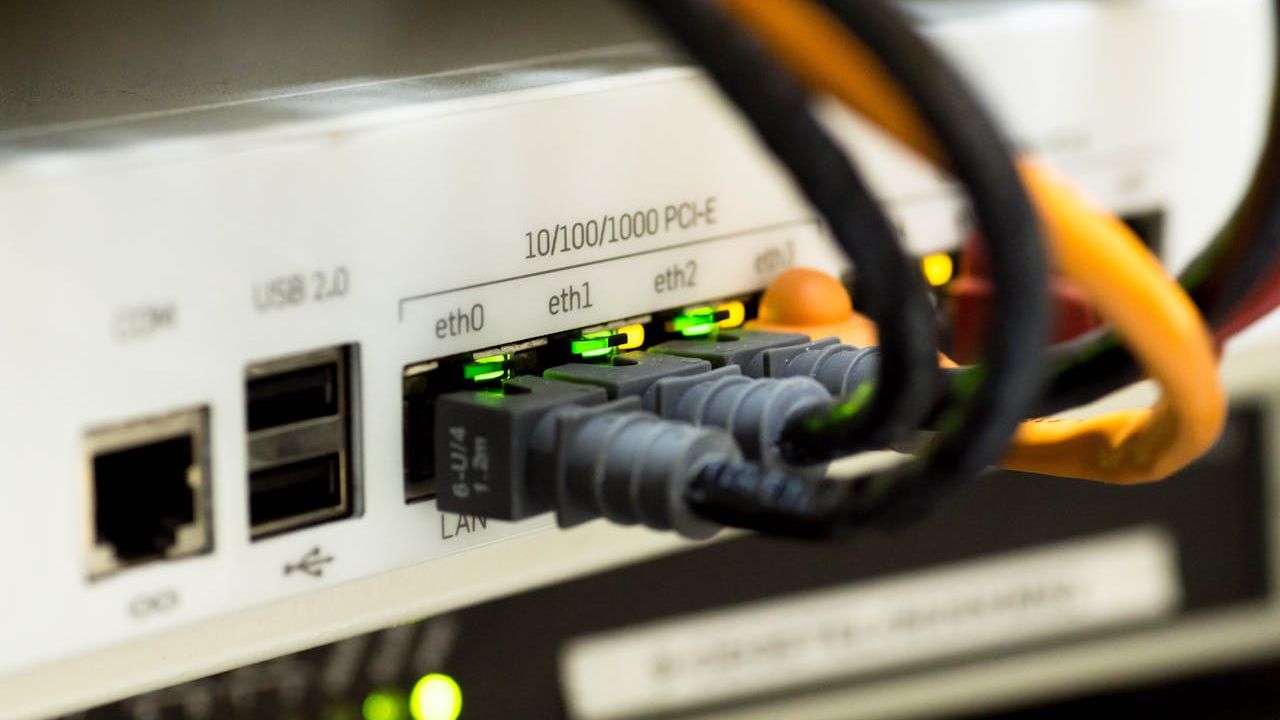
The History of the Internet
The internet is so deeply woven into our lives that it’s hard to imagine a world without it. But this global network has a fascinating history—one that started in the middle of the Cold War and has evolved into today’s AI-driven era.
The Early Days: ARPANET
The story begins in 1969, when the U.S. Department of Defense created ARPANET, a project designed to allow computers at different universities and research labs to communicate.
Key features of ARPANET:
- Packet switching technology
- Communication between four computers at UCLA, Stanford, UC Santa Barbara, and the University of Utah
- The first message ever sent was “LO” (short for “LOGIN”)—but the system crashed before the “G” was transmitted!
Growth of Networking in the 1980s
By the 1980s, networking technologies expanded. The TCP/IP protocol became the universal standard in 1983, which allowed different networks to “talk” to each other. This is considered the real birth of the internet.
Notable developments:
- 1983 – Domain Name System (DNS) introduced (.com, .org, .net)
- 1986 – National Science Foundation (NSFNET) launched, linking supercomputing centers
- Late 1980s – Email gained widespread popularity
The World Wide Web Revolution
In 1991, Tim Berners-Lee introduced the World Wide Web while working at CERN. Unlike the internet, which was just a network, the web provided a way to share and link documents using hypertext (HTTP).
Major Internet Milestones
Year Event 1991 World Wide Web launched 1993 First graphical browser (Mosaic) 1998 Google founded 2004 Facebook launched 2007 iPhone introduced 2020s Cloud, streaming, AI integration The Internet Today
Today, the internet powers:
- Communication (emails, messaging apps, video calls)
- Business (e-commerce, SaaS, remote work)
- Entertainment (streaming, gaming, social media)
- Innovation (AI, IoT, blockchain)
It’s estimated that by 2025, there will be over 7.5 billion internet users, nearly the entire global population.
Conclusion
From a defense project with just four connected computers to a network of billions, the internet has reshaped every aspect of human life. Its journey isn’t over—technologies like 5G, AI, and the metaverse are already shaping the next chapter of our digital future.